What happens to a sewer lateral nobody has looked at in forty years, the day its owner finally lists the house?
That question has a real answer in Scarsdale now, and it is not the answer most sellers expect. Since October 1, 2023, the Village has required a Sewer Lateral Discharge Compliance Certificate before any sale, transfer, or conveyance of property within Village limits can close. Not a suggestion. Not something your buyer's attorney might ask about. A certificate, tied to a Village code section, that has to exist before title changes hands.
The reason this catches people off guard has nothing to do with how well they maintained their house. It has to do with what a standard home inspection actually covers, and what it does not.
What a Standard Home Inspection May Not Cover
A home inspector will climb into the attic, run the dishwasher, test the outlets, and flag a cracked foundation step. What a general home inspection typically does not include is a camera run through the underground pipe that carries wastewater from the house to the Village main. That pipe, the sewer lateral, sits below grade the entire time you own the home. Nobody checks it unless something backs up.
Which means for a lot of Scarsdale owners, the first real look anyone has ever taken at their lateral happens because the Village now requires it at the point of sale. The rule effectively converts an invisible piece of infrastructure into a mandatory, documented condition of the transaction, on a timeline the seller does not control.
How Compliance Is Triggered
The compliance program was not designed around individual home sales. It was designed around a system-wide problem: clean groundwater and stormwater leaking into the sanitary sewer through cracked pipes, root intrusion, and illegally connected sump pumps, all of which strain the public system during heavy rain and can push raw sewage into local waterways. The Village's own language on the program states plainly that its purpose is to reduce infiltration and inflow into the public sanitary sewer system and to reduce sewage exfiltration into the Village's waterways.
Sales are one of the qualifying events for a compliance certificate, making each sale a checkpoint for the property's lateral. The inspection and any repairs should be accounted for in the transaction timeline.
For sellers, the practical takeaway is to confirm the certificate process early enough to leave room for any required repairs.
What the Certificate Actually Requires
The Village's sewer lateral program handout says the inspection has to be performed by a Westchester County licensed plumber, or a professional engineer or architect licensed in New York State.
The Village's application form lists an application fee of $350, payable to the Village of Scarsdale. The Village's engineering consultant on the program is David J. Turiano, P.E. of LaBella Associates, who reviews submissions and issues the certificate once a lateral passes.
Under the Scarsdale Village Code, if the inspection finds a problem, the property owner has 30 days to complete repairs, with an extension to 60 days possible. Repairs can mean cutting out root intrusion, lining or sealing cracked joints, or in more serious cases excavating and replacing a section of pipe. If the work does not get done, the unresolved violation can become a lien collectible the same way as unpaid Village taxes.
None of that is unusual as far as municipal enforcement goes. What is unusual is how invisible the underlying condition was until the sale forced the issue.
The Renovation Permit Trigger
The certificate requirement is not limited to sales. It is also required before the Village will issue a building permit for any renovation project costing more than $100,000, which in Scarsdale's market covers a large share of kitchen guts, additions, and whole-house remodels.
This is an important consideration for buyers who plan to renovate shortly after closing. Buyers budgeting a purchase-then-renovate timeline in Scarsdale should account for the certificate requirement when planning their work.
Who Actually Carries the Risk
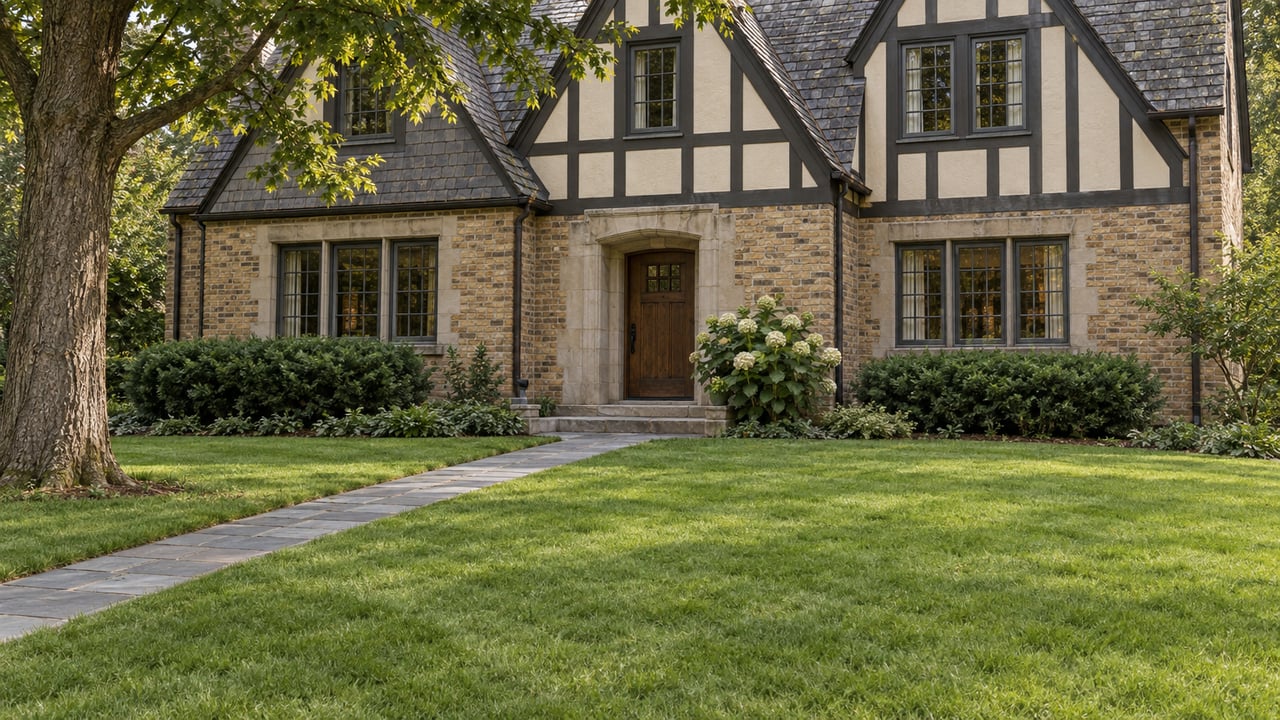
The owners most likely to be surprised by this are the ones who have not sold since before the rule existed, particularly on properties with mature trees close to the house. Root intrusion is one of the most common findings in older sewer laterals, and Scarsdale's tree canopy, part of what makes its streets desirable, is also exactly the condition that puts roots near century-old clay pipe. A homeowner who has lived in a Colonial or Tudor for twenty or thirty years, and who is now weighing when to list, has likely never had a reason to camera their lateral. The certificate requirement means that decision is no longer optional once a closing date is set.
Building the Inspection Into Your Timeline, Not Your Closing Week
The practical fix is sequencing. A seller who orders the lateral inspection early in listing prep, alongside a pre-listing home inspection, gets to see problems while there is still time to schedule repairs and a reinspection without threatening the closing date. A seller who waits until attorney review to think about it is choosing to find out whether a 30 to 60 day repair window fits inside their contract timeline, under pressure, with a buyer watching.
For buyers, the useful question is not just whether a certificate exists, but when it was issued and whether any planned renovation will trigger a second one.
A Short FAQ
Does this apply to every property in Scarsdale, including co-ops and condos? The requirement is written into Village Code Chapter 244 as a condition tied to the qualifying event, sale, transfer, or conveyance, or a renovation permit over $100,000. Buyers and sellers of any property type within Village limits should confirm current requirements with the Village Engineer's office before assuming an exemption applies.
Who pays if the lateral fails inspection? The code places the repair obligation on the property owner at the time of the qualifying event. In practice, this is frequently negotiated between buyer and seller as part of the contract, the same way a failed radon test or a cracked chimney flue often gets negotiated.
Does a neighboring town like Edgemont have the same rule? According to a Scarsdale News article, Edgemont is part of the unincorporated Town of Greenburgh rather than an incorporated village, and the sale-triggered sewer lateral certificate is a Village of Scarsdale law. That is one of the more concrete examples of how governance boundaries, not just school district lines, can change what a transaction actually requires.
The pipe under a Scarsdale lawn does not care how the house shows or what the kitchen looks like. It cares whether anyone has ever looked at it, and the Village requires an inspection before a qualifying sale or a renovation permit over $100,000. Working through what that means for your specific timeline, before a closing date is on the calendar, is exactly the kind of detail worth walking through with someone who tracks Scarsdale's local rules as closely as its listings.
If you are weighing when to list, or trying to time a purchase against a renovation plan, Kamala Vittal can help you build a timeline that accounts for it. Let's Connect.
This article is general information, not legal, tax or financial advice. Consult a qualified professional about your situation.