Somewhere in the middle of a typical Edgemont closing, an attorney pulls the building file and finds a garage that isn't on it. Or a finished basement. Or a sunporch added sometime in the 1970s by an owner who is long gone and never told anyone it needed a permit. This happens constantly in a neighborhood this old, and most of the time it gets sorted out before anyone at the table gets nervous.
What decides how much sorting is required, and how fast it can happen, isn't the size of the addition or how well it was built. It's the year the house itself went up. Under the Town of Greenburgh's building code, that single date determines whether a missing certificate of occupancy is a form to file or a project to manage.
The Line Is a Date, Not a Street
Edgemont sits in unincorporated Greenburgh, which means it answers to the Town's building department rather than a village hall of its own. Greenburgh's code draws a hard boundary at January 1, 1945. For anything built before that date, an owner can apply for what the code calls a substitute certificate of occupancy, a document that lets the town's building inspector confirm the structure complies with current zoning and issue a certificate seeking legalization of the building's existence, even though no original CO was ever filed.
Why 1945, Specifically
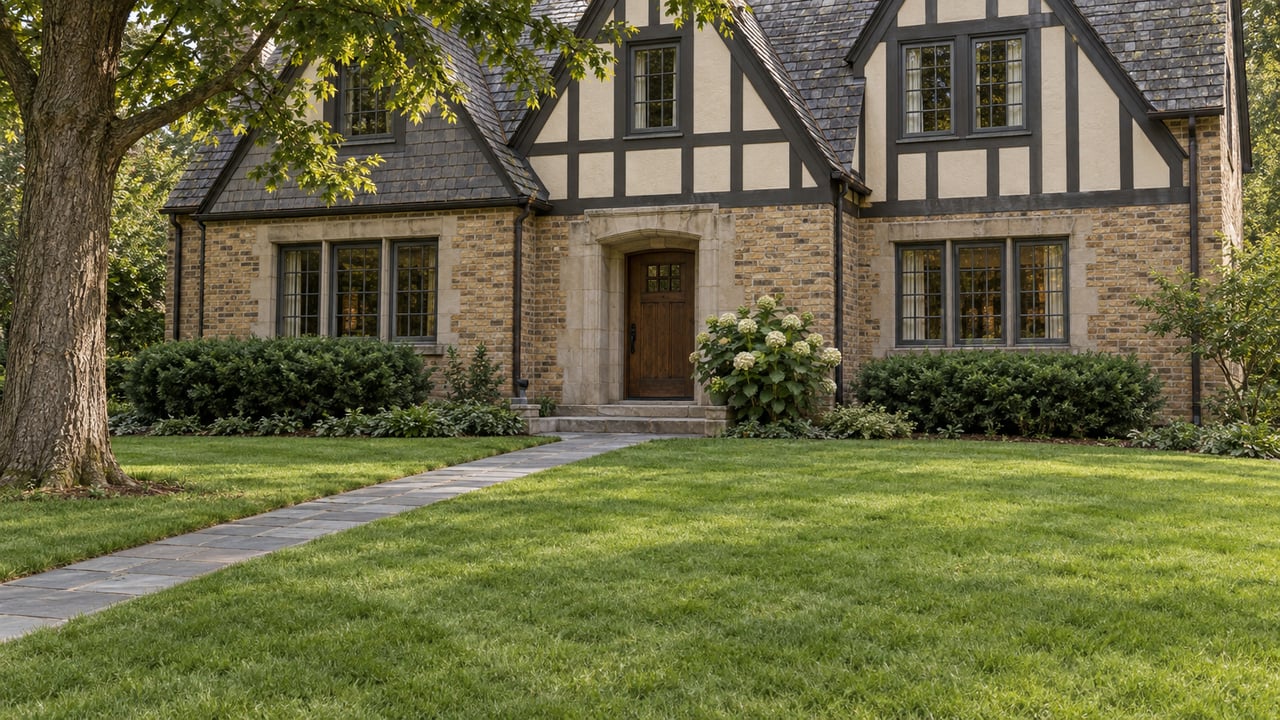
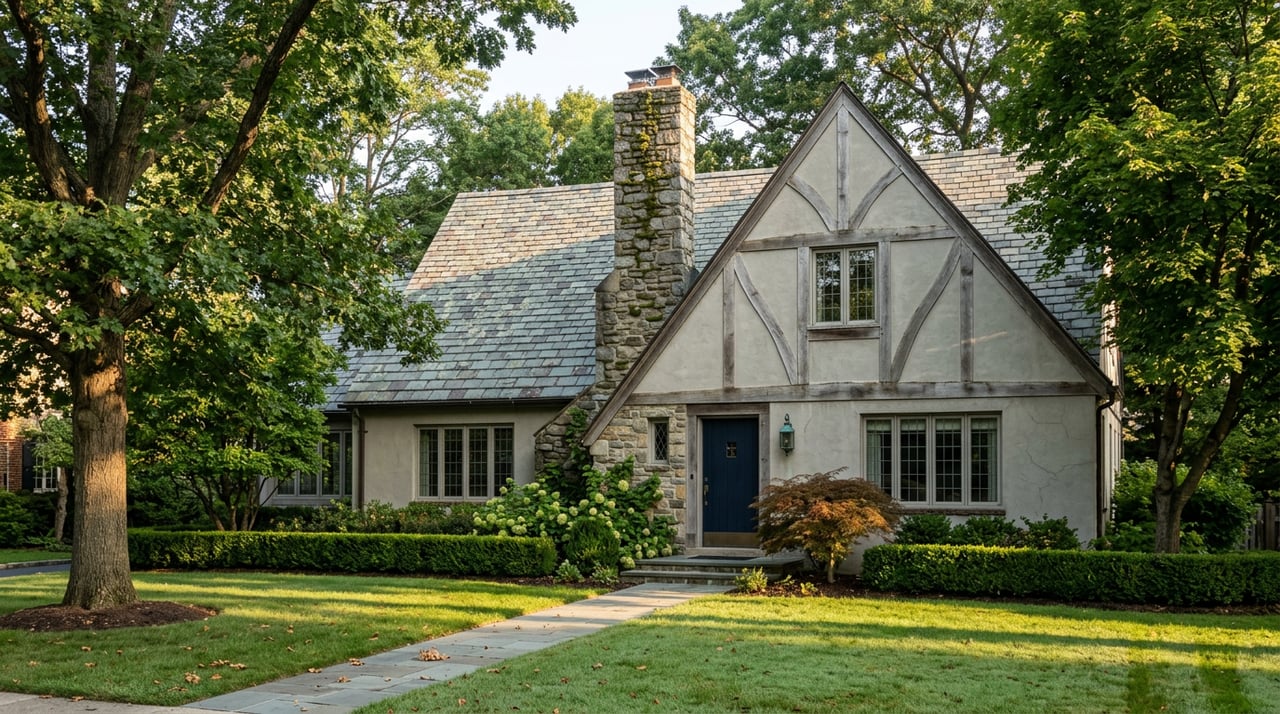
The date is not arbitrary, and it lines up with something Edgemont residents already sense about their own streets. The Tudor Revival houses that define so much of the neighborhood, the steep gables, the leaded casement windows, the stucco and half-timbering, were part of a national building wave that peaked in the 1920s and had gone out of style by 1945. Greenburgh's code was written well after that wave had already crested, and the cutoff it chose happens to sit right at the edge of Edgemont's original building boom.
That is not a coincidence so much as an inheritance. A lot of what makes Edgemont's older sections distinctive, the age of the housing stock, is the same thing that determines which legal track a given house is on.
Two Associations on the Early Side of the Line
Edgemont's own neighborhood associations make the split easier to see than a code section usually allows. The Edgemont Community Council lists several long-standing civic groups, and two of them come with founding dates well inside the pre-1945 window.
| Neighborhood association | What's documented | Relative to the 1945 cutoff |
|---|---|---|
| Old Edgemont Association | Founded 1920, boundaries run from Central Park Avenue to the Bronx River Parkway | Squarely before |
| Cotswold Association | Dates to the late 1920s, running from the Yonkers line to Ardsley Road | Squarely before |
| Central Park Avenue, Fort Hill, Greenridge, Longview, Northern Greenville | Boundaries documented by the ECC, founding dates not published | Depends on the individual house, not the neighborhood name |
If a house sits in Old Edgemont or Cotswold, its age alone puts it on the side of the line where a missing certificate for the house itself has a formal way back to compliance. That doesn't mean every house in those two neighborhoods has a problem, or that every house outside them doesn't. It means the neighborhood's own history gives you a reasonable first guess, and the deed or assessment card gives you the answer.
What Happens on the Other Side
The harder case is a house built after January 1, 1945, with an addition that was never closed out, or a postwar house where a permit was pulled decades ago but the final inspection never happened. There is no substitute certificate available. The building inspector has to evaluate the work against the code that applies right now, not the code that applied when the work was done.
In practice that can mean an engineer's report on framing that was never inspected, an electrical upgrade to meet current standards, or in some cases removing something that doesn't conform rather than permitting it after the fact. None of that is unique to Edgemont. But because Edgemont's housing stock spans nearly a full century, from 1920s Tudors to postwar Colonials to recent teardown-and-rebuilds, the town sees both sides of this line inside a single school district and often inside a single street.
What This Costs at the Closing Table
New York is an attorney-closing state, and in a market like this the buyer's attorney is going to pull the building department file as a matter of course. A missing certificate doesn't necessarily kill a deal, but it slows it down, and slow deals cost sellers leverage. A buyer who was ready to close in thirty days is less enthusiastic about a sixty-day wait for a substitute CO application, and far less enthusiastic about funding an engineer's report to legalize a garage nobody thought twice about for forty years.
For sellers, this matters most if the house has any history of work that predates current ownership. Long-tenured owners are the ones most likely to have inherited an undocumented addition along with the house itself, and the ones least likely to have thought about it until an attorney raises it mid-contract.
For buyers evaluating older Edgemont inventory, roughly ranging from the high six figures for smaller homes to two million dollars or more for larger properties as of August 2026, the certificate of occupancy status is worth checking before falling in love with a kitchen that was clearly finished sometime after the house was built.
Checking Before You List, Not After You're Under Contract
The town makes this reasonably easy to check ahead of time. Greenburgh's building department will run a records search on a specific property and provide the list of certificates issued, open permits, and any active violations. Greenburgh's title-search form says copies of certificates of occupancy or completion run ten dollars each, and the department asks for up to fifteen business days to complete the search, which is exactly the kind of timeline you want to know about before a buyer's attorney forces the question.
One more distinction worth knowing: this substitute certificate mechanism belongs to unincorporated Greenburgh specifically.
A Short FAQ
My house isn't in Old Edgemont or Cotswold. Does that mean I'm on the wrong side of the line? Not necessarily. Those are simply the two associations with published founding dates. Plenty of houses in Fort Hill, Greenridge, Longview, Northern Greenville, and along Central Park Avenue predate 1945 as well. The association name is a starting clue, not a verdict. The house's actual construction date, available through the town's records request, is the real answer.
Does this affect financing? It can. Lenders generally want confirmation that a property's improvements are properly permitted before closing, and an open or missing certificate can hold up the timeline a buyer's mortgage is running on.
If you're weighing a sale of an older Edgemont home, or you're looking at one and want a straight answer about what its paper trail actually shows before you write an offer, that's exactly the kind of groundwork worth doing early. Kamala Vittal has spent nearly eight years walking Westchester families through exactly this kind of local detail, the kind that doesn't show up on a listing sheet but shows up at the closing table. Let's Connect before it becomes a surprise instead of a plan.
This article is general information, not legal, tax or financial advice. Consult a qualified professional about your situation.