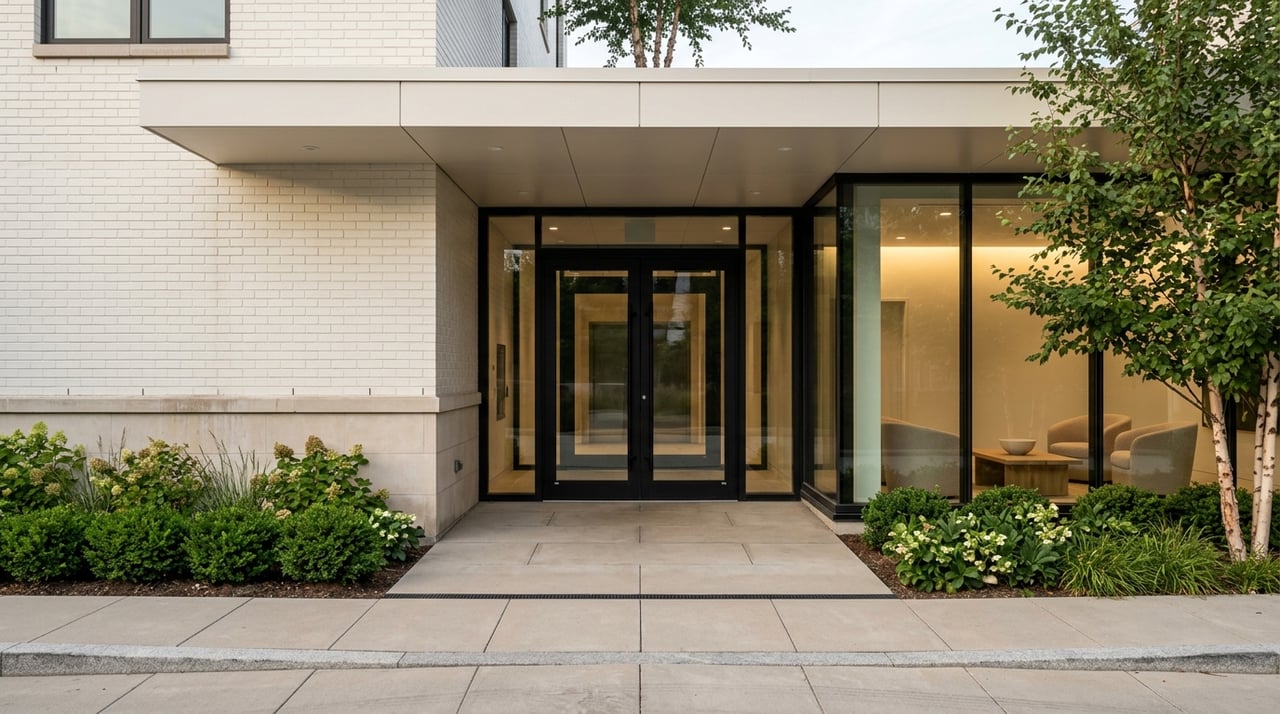
Thinking about buying a new condo in New Rochelle? You are not alone. With major downtown development underway and a growing mix of residential buildings coming to market, it makes sense to look closely before you commit. If you want a clearer, calmer way to evaluate new construction and condos in New Rochelle, this guide will help you understand the local landscape, the paperwork that matters, and the questions worth asking before you move forward. Let’s dive in.
New Rochelle Development at a Glance
New Rochelle’s downtown is in the middle of a long-term redevelopment effort that is reshaping the area in a big way. According to the city, the downtown corridor includes more than 30 construction projects across roughly 12 million square feet of prime downtown real estate.
That scale matters if you are comparing today’s options with what the area may look like in the next few years. It suggests that when you buy in New Rochelle, you are often buying into both a home and an evolving downtown environment.
The city has identified major projects including The LINC, also called the Lincoln Neighborhood District, and the New Rochelle Transit Center redesign. For buyers who value convenience, walkability, and access to local amenities, those public-facing improvements are part of the bigger picture.
Another detail many condo buyers appreciate is CircuitNR, the city’s zero-fare electric shuttle that serves downtown and nearby areas. For some buyers, that supports a more car-light lifestyle and can make downtown living feel more practical day to day.
New Construction Is Not One-Size-Fits-All
One of the most important things to understand about New Rochelle is that the housing mix is varied. The city’s development map includes projects like The Millennia, a 6-story residential building, Stella Phase II, a 17-story affordable condo project, and The Leaf, a 26-story mixed-use development.
That range means your search should stay focused on your priorities rather than a single idea of what “new construction” means. One building may be all about height, views, and amenities, while another may offer a different ownership structure, layout style, or monthly cost profile.
Lifestyle also plays a role. Hudson Park remains part of the local draw, and the city describes it as its premier waterfront park. It is also being considered through a master-planning process, which makes it another example of how New Rochelle continues to evolve.
What Buying a Condo Means in New York
In New York, a condominium purchase gives you ownership of your individual unit plus an undivided interest in the building’s common elements. That sounds simple, but it has real implications for how you review the building, budget monthly costs, and understand your rights and responsibilities.
For new condos, key legal documents are filed with the New York Department of State. For sponsor sales, the New York Attorney General regulates the offering plan, and that document is central to the transaction.
This is one of the biggest points buyers should remember: the offering plan controls what the sponsor must deliver. Not the brochure. Not the sales presentation. Not a verbal promise during a tour.
If you are considering a sponsor unit, the Attorney General recommends reading the entire offering plan and consulting an attorney before signing a purchase agreement. That may feel like a lot, but it is one of the smartest ways to protect yourself in a new development purchase.
Why the Offering Plan Matters So Much
When a building is under construction, it is easy to fall in love with renderings, model finishes, and amenity descriptions. But in New York, buyers should rely on what is actually stated in the offering plan and purchase agreement.
The Attorney General says the plan should spell out details such as recreational facilities, landscaping, appliance brands and model numbers, and other promised amenities. If something matters to you, it should be documented clearly.
If a representation is important but not clearly written into the offering plan or purchase agreement, the Attorney General says it should be added in writing, such as through a rider. That step can help reduce confusion later.
For buyers comparing multiple buildings in New Rochelle, this is where a calm, detail-oriented review really helps. Two properties may look similar at first glance, but their offering plans can reveal meaningful differences in finishes, obligations, timelines, or shared features.
Sponsor Sale or Resale?
Not every condo purchase in New Rochelle will be a sponsor sale. Some will be resales in buildings that are already operating with an established board and financial history.
That distinction matters because the questions you ask may change. With a sponsor sale, your focus is often on the offering plan, construction status, promised finishes, punch-list protection, and sponsor control. With a resale, you may spend more time reviewing the building’s records, financial reporting, and signs of upcoming repairs.
Neither option is automatically better. It depends on your goals, your comfort with risk, and how much certainty you want about the building’s day-to-day operations.
Understand Board Rules and Building Governance
Condo ownership also means living within a shared governance structure. The Attorney General’s guidance says the board’s declaration, by-laws, and house rules govern building decisions, and copies of those documents must be available for inspection.
That matters because building rules can affect daily life, renovation plans, use of common areas, and overall expectations for owners. Before you buy, you want to know how the building operates on paper, not just how it feels during a showing.
The Attorney General also says boards must keep detailed records of receipts and expenditures and provide annual reports. For a buyer, that financial transparency can help you evaluate whether the building appears organized and whether the monthly carrying costs may be heading upward.
How Long Sponsor Control May Last
In many new condos, sponsor control continues until the sponsor has sold more than 50 percent of the common interest or until five years after the first closing, whichever comes first. The offering plan can change that timeline, so it is important to confirm the specifics for the building you are considering.
This period matters because it affects when owners may have broader control over building operations. If you are buying early in a new development, it is wise to understand where the building is in that process.
For many buyers, this is not a deal breaker. It is simply part of understanding how a new condo community matures over time.
Due Diligence for New Construction Buyers
If you are buying new construction in New Rochelle, your goal is not just to choose a beautiful unit. Your goal is to understand what is being delivered, how it will be delivered, and what protections you have if something needs attention.
Before closing, the Attorney General recommends testing appliances, plumbing, heating, and air conditioning. Buyers should also check for leaks, cracks, and settlement issues and make sure that the written punch list and the builder’s repair commitment are preserved in the closing documents.
That final point is especially important. A verbal promise to fix something after closing is much less useful than a written commitment that becomes part of the closing record.
For townhouse-style developments, the Attorney General says buyers should pay close attention to shared infrastructure such as roadways, sidewalks, drainage systems, and retaining walls. Even when the interior looks polished, those outside elements can have long-term cost implications.
What Warranty Coverage May Apply
New York’s Housing Merchant Limited Warranty Law provides certain protections for newly constructed homes of five stories or less. The law provides one year of broad defect coverage, two years for mechanical systems, and six years for structural defects.
That is helpful protection, but it is also specific. It does not mean every issue is covered in every building type, and it is not a substitute for reviewing the purchase documents carefully.
If you are looking at a lower-rise new-construction property, this warranty timeline is an important part of your decision-making. It helps you understand where legal protections may exist after closing.
Monthly Costs Matter More Than Many Buyers Expect
Many buyers are drawn to condos because exterior maintenance and common-area upkeep are shared. That can absolutely simplify ownership, but it does not always mean the monthly cost will feel low.
Condo dues are usually paid directly to the association rather than being included in the mortgage payment. Those dues can range from a few hundred dollars per month to more than $1,000.
That means your true monthly housing cost is not just principal, interest, taxes, and insurance. It also includes common charges, and those charges deserve the same attention as your mortgage payment when you build your budget.
A helpful way to compare options is to look at the full monthly picture:
| Cost Category | What to Review |
|---|---|
| Mortgage payment | Principal and interest based on your loan |
| Property taxes | Ongoing local tax obligation |
| Common charges | Monthly dues paid to the condo association |
| Insurance | Your unit-level homeowner’s policy |
| Future increases | Risk of rising dues tied to repairs or operations |
Insurance Is Still Part of Condo Ownership
Some buyers assume that because the association carries master insurance on common areas, they do not need much coverage themselves. In reality, lenders typically require homeowner’s insurance, and condo buyers still need unit-level coverage.
This is another area where details matter. The building’s master policy and your personal policy do different jobs, so it is important to understand what you are responsible for insuring inside the unit.
When you are comparing buildings, this is worth factoring into your ownership costs from the beginning. It is not just about qualifying for the purchase. It is about protecting your investment.
Closing Costs and Title Services
Closing costs can add up to thousands of dollars, even in a condo transaction. Title services are often among the largest closing-service expenses.
Buyers can shop for title insurance and other closing services, and many also consider owner’s title insurance as a way to protect their financial investment. This may not be the most exciting part of the purchase, but it is part of making a careful and informed decision.
In a fast-moving new-construction environment, it can be tempting to focus only on the deposit, the design package, or the move-in date. But your closing budget deserves just as much attention.
Resale Thinking Starts Before You Buy
Even if you plan to stay for years, it is smart to think about resale from day one. In condos, some of the most important long-term signals are not cosmetic. They are operational.
Useful red flags can include rising common charges, planned major repairs, weak financial reporting, and an unclear sponsor-to-board transition timeline. The Attorney General’s guidance on records and annual reports is relevant here because strong documentation can help buyers evaluate the building more confidently.
For existing buildings and conversions, the Attorney General says board minutes, financial reports, and local building-department violations can reveal expensive issues such as facade, roof, elevator, plumbing, electrical, or boiler work. Those are exactly the kinds of items that can affect both your budget and future resale appeal.
In New Rochelle, the engineering bureau handles inspections of contract work in progress, reviews plans submitted to the Planning and Zoning Boards, and issues permits for certain construction in the right of way. For buyers trying to understand how development and infrastructure connect, that local role is part of the broader picture.
A Smart Buyer Checklist for New Rochelle Condos
If you want a practical way to stay organized, start with these questions:
- Is this a sponsor sale or a resale?
- What exactly does the offering plan promise?
- Are key finishes, appliances, parking, and amenities clearly described in writing?
- What are the monthly common charges?
- What insurance will you need at the unit level?
- What warranty may apply, and for how long?
- How long is sponsor control expected to last?
- Are the declaration, by-laws, house rules, and floor plans available for review?
- What do the board’s financial records and annual reports show?
- Are there signs of planned major repairs or unresolved building issues?
A condo purchase can absolutely be a great fit, especially if you want lower day-to-day maintenance and access to a changing downtown environment. The key is making sure the building works for your budget, lifestyle, and long-term plans, not just your first impression.
If you are weighing new construction or condos in Westchester, having thoughtful guidance can make the process feel much more manageable. Kamala Vittal brings a calm, strategic approach to helping buyers compare options, ask better questions, and move forward with clarity.
FAQs
What should you review before buying a new condo in New Rochelle?
- You should review the offering plan, purchase agreement, common charges, building rules, available financial records, insurance needs, and any warranty coverage that may apply.
Why is the offering plan important in a New York condo purchase?
- In a sponsor sale, the offering plan governs what the sponsor is required to deliver, including unit finishes, amenities, parking, and other promised common features.
How do common charges affect condo affordability in New Rochelle?
- Common charges are usually paid directly to the association and are separate from your mortgage payment, so they must be included in your full monthly budget.
What is sponsor control in a new New York condo building?
- Sponsor control is the period when the sponsor controls the condo board, and in many new condos it lasts until more than 50 percent of the common interest is sold or five years after the first closing, unless the offering plan states otherwise.
Do condo buyers in New Rochelle need their own insurance?
- Yes. Even if the association carries master insurance for common areas, condo buyers still typically need unit-level homeowner’s insurance and lenders often require it.
What records should you check in an existing condo building in New Rochelle?
- You should review board minutes, financial reports, governing documents, annual reports, and any available information that may point to major repairs or building issues.