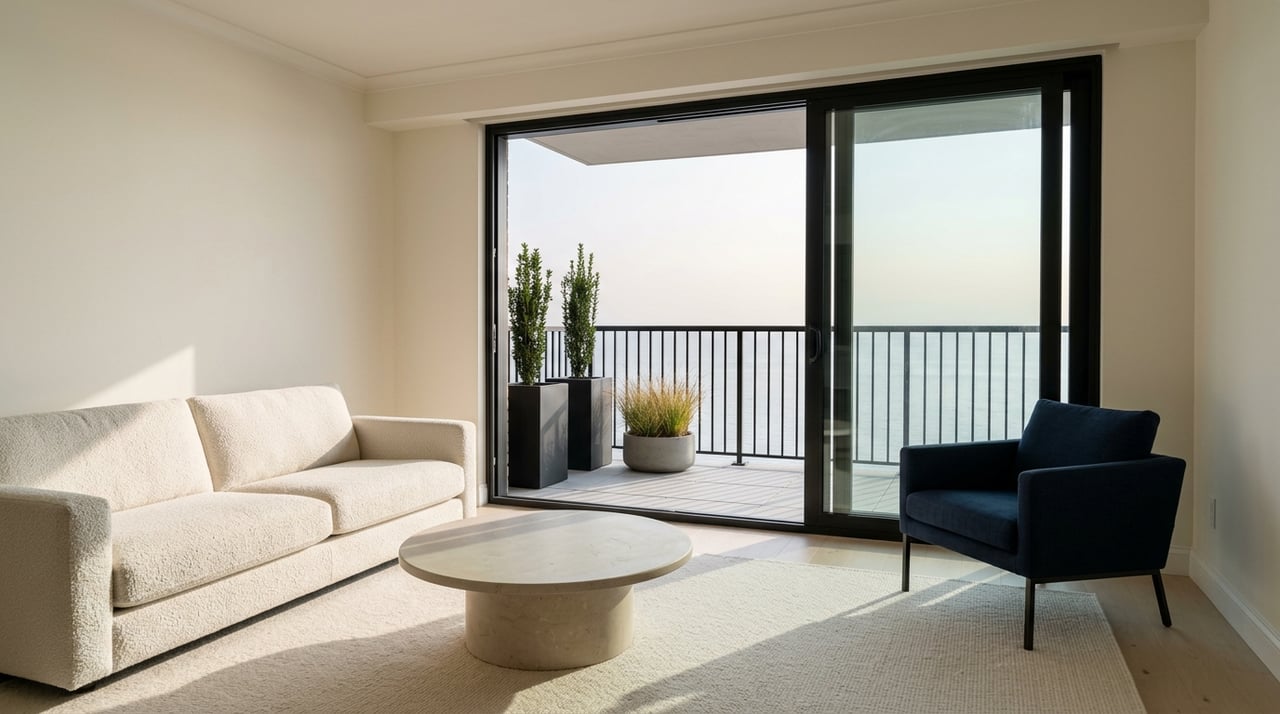
Wondering whether New Rochelle gives you more of a city feel, a waterfront lifestyle, or a commuter-friendly home base? The answer is that it can offer a mix of all three, which is a big part of its appeal. If you are trying to decide whether this part of Westchester fits your next move, understanding how downtown and the shoreline work together can help you picture daily life more clearly. Let’s dive in.
Why New Rochelle Stands Out
New Rochelle has been evolving in a way that feels especially relevant for today’s buyers and renters. The city had 79,726 residents in the 2020 Census and an estimated 85,512 residents as of July 1, 2024, which points to continued growth and interest in the area.
It also offers a mix of housing and lifestyle options rather than just one type of living. Census figures show a 53.7% owner-occupied housing rate, a median gross rent of $1,917, and a median owner-occupied home value of $702,500. For you, that means the local market includes both ownership and rental opportunities across different settings.
What makes New Rochelle especially distinctive is the way its core features come together. You get public shoreline access, an active downtown environment, and strong rail connectivity in one lower Westchester city.
Waterfront Living in New Rochelle
If waterfront access is high on your list, New Rochelle offers more than pretty views. Its shoreline includes public spaces that support day-to-day recreation, weekend plans, and a more outdoors-oriented routine.
Hudson Park and Beach
Hudson Park is one of the city’s signature waterfront destinations on Long Island Sound. According to the city, it includes a grassy recreation area, a playground, seating, a music bandshell, a renovated bathhouse, and two bathing beaches.
That matters because the waterfront here can become part of your regular lifestyle, not just an occasional outing. Seasonal concerts and events also add another layer of activity for residents who want easy access to open space and community programming.
Glen Island Park Access
Glen Island Park is another major shoreline amenity in New Rochelle. Westchester County says the park is open year-round and includes a public beach, boathouses, picnic facilities, and the Glen Island Harbour Club.
The Glen Island Approach Bridge is the sole vehicle, pedestrian, and cyclist connection to the island. For you, that means this waterfront area is accessible in more than one way, whether you are heading out for a beach day, a walk, or time by the water.
What Waterfront Life Feels Like
In practical terms, New Rochelle’s waterfront supports a lifestyle that blends recreation with convenience. You are not just living near the water. You are living near parks, beaches, seating areas, and seasonal events that can shape how you spend your free time.
For many buyers and renters, that kind of public access adds real value to everyday living. It can make the city feel more open, more active, and more connected to its natural setting.
Downtown Living and Daily Convenience
Downtown New Rochelle has become a major draw for people who want a more connected, car-light lifestyle. The area is described by the New Rochelle Downtown BID as compact, connected, and rapidly evolving, with residences, businesses, entertainment venues, transit, and waterfront parks within easy walking distance.
That combination is important if you want convenience built into your day. Running errands, meeting friends, catching a train, or heading toward the waterfront can all feel more manageable when so much is close together.
Walkability and Local Access
Downtown scores highly for walkability. The BID cites Walk Score ratings of 98 out of 100 for Main Street and 89 out of 100 for Downtown.
For you, those numbers help explain why downtown living appeals to residents who want easier access to dining, shops, and services without relying on a car for every trip. The BID also points to a business directory that includes restaurants, cafés, neighborhood shops, local services, and community landmarks.
Transit and Commuting
New Rochelle is also a strong option for commuters. MTA fare documents list New Rochelle as a Metro-North New Haven Line station, and the city has described the Transit Center redesign as a cornerstone of downtown redevelopment.
The redesign is being planned as a modern, pedestrian-oriented, well-connected hub. If your routine includes regional travel or commuting, that kind of investment can matter a great deal over time.
Another major long-term transit story is Penn Station Access. MTA materials say the project will create new one-seat Metro-North service from the New Haven Line to Penn Station and includes reconfiguration of New Rochelle Yard.
Car-Light Options Within the City
Downtown residents also have access to CircuitNR, a free, electric, on-demand shuttle launched in 2019. The city reports more than 3,000 rides per month, a 4.9 average rider rating, and seasonal service to Hudson Park.
That adds another practical layer to living downtown or near the waterfront. If you want flexibility without depending on your car for short local trips, this service helps support that kind of routine.
Growth and Redevelopment to Watch
New Rochelle’s appeal is not just about what exists today. It is also about the city’s long-term direction and the scale of change already planned in its downtown core.
City planning documents describe priorities that include transit-oriented development, downtown commercial revitalization, waterfront enhancement, and neighborhood preservation. That tells you the city is trying to balance growth with livability.
The downtown redevelopment framework allows up to 12 million square feet of new development, including 6,370 housing units, 1 million square feet of retail, 2.4 million square feet of office space, and 1,200 hotel rooms. For buyers, sellers, and renters, that scale helps explain why New Rochelle keeps coming up in conversations about Westchester growth.
Beyond the Core: A Broader Lifestyle Mix
Even if downtown and the waterfront are the headline attractions, New Rochelle is not a one-note city. The city says it also includes charming and historic neighborhoods along with extensive parkland.
That broader mix can be helpful if you like the energy of the core but want to compare it with more traditional residential settings. In general, downtown and waterfront areas tend to read as more urban, amenity-rich, and likely more condo- or rental-oriented, while areas farther from the core may feel more residential in character.
Green Space Matters Here
New Rochelle also has a meaningful green-infrastructure story. The city says it has been a Tree City since 1991, and its 2024 street-tree inventory counted 15,590 trees across street trees and most city parks.
That may not be the first thing you think about when comparing towns, but it does shape the feel of a place. Mature trees, parks, and public green space contribute to the balance between urban convenience and everyday livability.
Who New Rochelle May Suit Best
New Rochelle can work well for several kinds of moves, especially if you are weighing convenience and lifestyle together. It may be a strong fit if you want:
- waterfront access with real public amenities
- a walkable downtown environment
- train access for commuting
- a mix of rental, condo, and ownership options
- an urban-suburban blend within Westchester
It can also be appealing if you are relocating and trying to narrow down which Westchester community best matches your daily rhythm. Some towns lean more fully suburban, while New Rochelle offers a more mixed experience with a strong downtown center and shoreline access.
How to Think About Your Search
When you explore New Rochelle, it helps to think beyond price or square footage alone. You may want to compare how often you would actually use the waterfront, whether walkability matters to your routine, and how important train access is to your week.
It is also worth considering whether you prefer to be in the middle of activity or a bit farther from the core. In New Rochelle, that choice can meaningfully shape your day-to-day experience.
If you are deciding between towns in lower Westchester, this is where local context matters. A place can look good on paper, but the right fit usually comes from understanding how housing, transit, green space, and lifestyle connect.
New Rochelle’s story is compelling because it brings together shoreline recreation, downtown convenience, and regional connectivity in one place. If you are looking for a Westchester location that feels dynamic, practical, and lifestyle-driven, it deserves a closer look.
If you want help comparing New Rochelle with other Westchester communities or finding the right fit for your move, Kamala Vittal offers thoughtful, hands-on guidance tailored to your goals.
FAQs
What is waterfront living like in New Rochelle?
- Waterfront living in New Rochelle includes access to public spaces such as Hudson Park and Beach and Glen Island Park, with beaches, recreation areas, seating, picnic facilities, and seasonal events.
What is downtown living like in New Rochelle?
- Downtown New Rochelle offers a compact, easily accessible environment with residences, restaurants, cafés, shops, local services, entertainment venues, transit access, and nearby waterfront parks.
Is New Rochelle a good option for commuters?
- New Rochelle has a Metro-North New Haven Line station, a planned Transit Center redesign, and long-term Penn Station Access improvements that support commuter convenience.
Does New Rochelle offer both urban and residential settings?
- Yes. Downtown and waterfront areas tend to feel more urban and amenity-rich, while other parts of the city offer more traditional residential surroundings and park access.
What makes New Rochelle different from other lower Westchester communities?
- New Rochelle stands out for its combination of public shoreline access, an active downtown, and strong train connectivity in one city.