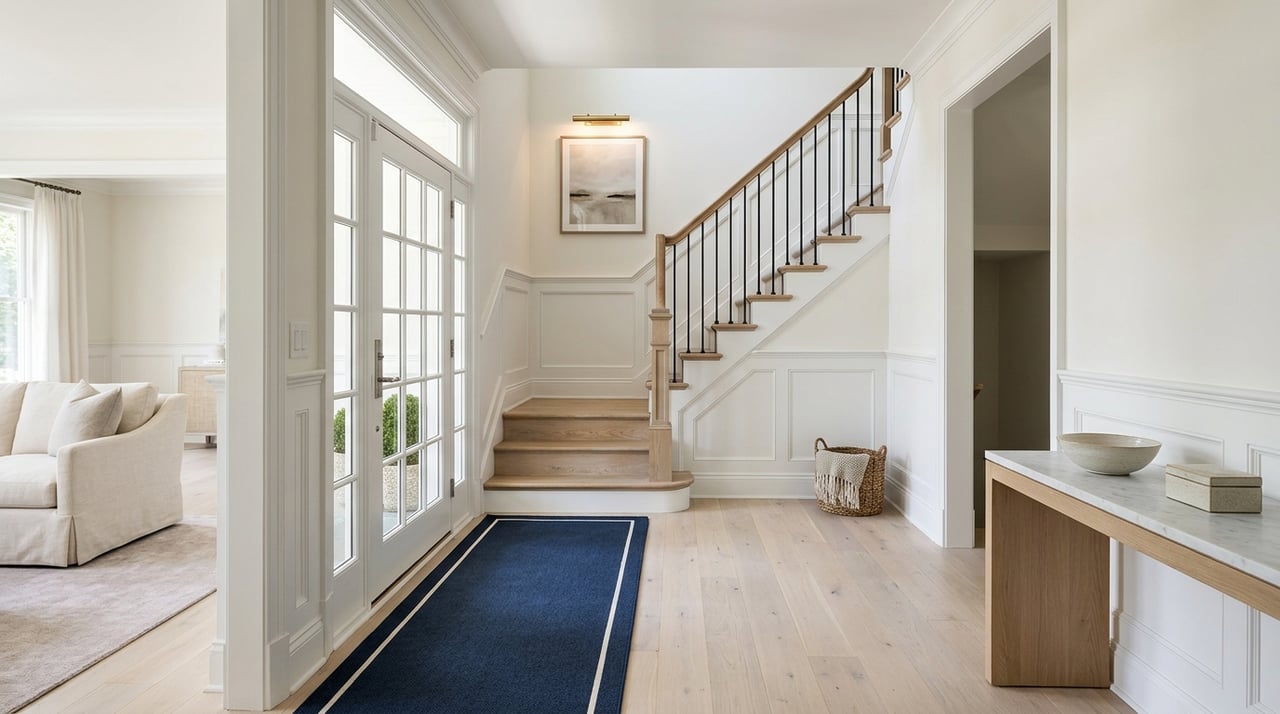
If you are thinking about buying a home in Edgemont, preparation matters as much as price. This small Westchester micro-market can move quickly, and details like municipality, school district, and mailing address are not always the same thing. In this guide, you will learn how to approach the process step by step so you can make informed decisions, avoid surprises, and move forward with confidence. Let’s dive in.
Understand the Edgemont market first
Edgemont is often discussed as one place, but from a home search standpoint, you need to look closely at the details behind each listing. In this area, buyers should verify the municipality, school district, and mailing address separately rather than assuming they match.
That matters because Edgemont is closely tied to the Edgemont Union Free Public School District, which operates from Scarsdale and includes Greenville Elementary, Seely Place Elementary, and Edgemont Jr./Sr. High School. If school boundaries are important to your move, it is wise to confirm them early for every property you consider.
The local market also rewards buyers who are ready to act. A 2025 Edgemont school-district sales report based on OneKey MLS showed 74 single-family sales, a median sale price of $1,453,500, an average of 39 days on market, and a 106.0% sale-to-list-price ratio.
At the regional level, OneKey MLS reported that 2025 inventory was down 8.2% year over year while the median home price rose 5.9%. Sellers also averaged 99.2% of original list price, which helps explain why organized buyers often have an advantage.
Why readiness matters in Edgemont
In a market like this, window shopping can quickly turn into missed opportunities. If the right home appears, you may need to tour quickly, review numbers fast, and make decisions with a clear plan.
That does not mean rushing blindly. It means doing your homework before emotions enter the picture, so when you find a home you love, you are ready to move with clarity.
Set your budget before touring
Before you start looking at homes, take time to understand what feels comfortable for your monthly budget and overall cash outlay. A smart plan should account for your income, credit, debt, savings, and how much you want to spend each month on housing.
It is also important to think beyond the down payment. Closing costs are commonly estimated at 2% to 5% of the home price, and you should also leave room for immediate post-closing expenses.
Budget for New York purchase costs
For Edgemont buyers, New York taxes can make a meaningful difference in your total cash needed to close. New York State imposes a real estate transfer tax on conveyances over $500, and a 1% mansion tax applies to residential purchases of $1 million or more.
New York also imposes mortgage recording tax, with local components in certain counties. Because these costs vary by deal structure and financing, it is smart to ask your lender or attorney for an estimate early in the process.
Keep a post-closing cushion
A comfortable purchase is not just about getting to the closing table. You should also set aside money for move-in costs, utility setup, immediate repairs, and small upgrades you may want to handle right away.
That extra cushion can make the transition into your new home feel much smoother. It also helps you avoid stretching too far just to win a deal.
Get preapproved early
A mortgage preapproval letter is a lender’s statement that it is tentatively willing to lend you up to a certain amount. In a competitive market, that letter is both a planning tool and a speed tool.
Preapproval helps you shop in the right price range, but it also shows sellers that you are serious and financially prepared. When homes move fast, having this in hand before you tour can save valuable time.
Compare lenders carefully
Even if one lender gives you a quick answer, it is still worth comparing official Loan Estimates from multiple lenders. Small differences in rate, fees, or loan structure can affect your long-term costs.
This step is especially helpful if you are balancing a higher purchase price with New York closing costs and taxes. Clear financing can strengthen your offer and reduce stress later.
Verify the property details
Before you get too attached to a home, confirm the facts that matter most to your lifestyle and plans. In Edgemont, that includes the municipality, school district, mailing address, and basic property details.
This is a simple step, but it can prevent confusion later. It is especially useful for relocating buyers who may be less familiar with how Westchester boundaries and addresses work.
Build your must-have list
As you narrow your search, focus on the features that truly affect daily life and long-term value for you. That may include layout, home office space, lot usability, storage, renovation level, or commute needs.
A clear must-have list helps you act faster when the right home comes up. It also helps you avoid overpaying for features that do not really fit your goals.
Make a smart offer
In Edgemont, a strong offer is not always just the highest number. Sellers often look at the full picture, including financing strength, contingencies, and how smoothly the buyer can move through the transaction.
That is why preparation matters so much. A buyer who is preapproved, realistic, and responsive may be better positioned than someone who is still sorting out the basics.
Understand New York disclosure rules
New York’s Property Condition Disclosure Act requires a seller of residential real property to deliver the disclosure statement to the buyer or the buyer’s agent before the buyer signs a binding contract of sale. The form itself also states that it is not a warranty or a substitute for inspections.
If the seller does not deliver the statement, the buyer receives a $500 credit at transfer of title. That credit exists, but it should not replace careful due diligence.
Choose contingencies thoughtfully
Contingencies help protect you if something important changes during the transaction. Depending on your deal, that may include financing terms or an inspection contingency.
The right mix depends on the property, your comfort level, and the overall negotiation. In a faster-moving market, buyers often benefit from keeping contingencies realistic rather than overcomplicating the deal.
Schedule the inspection quickly
Once you are under contract, move quickly on the inspection. Buyers are advised to schedule an independent inspection as soon as possible, attend if they can, and avoid buying without a thorough inspection.
If your contract is contingent on a satisfactory inspection, you may be able to cancel without penalty or negotiate repairs or credits. This is one of the most important buyer-protection steps in the process.
Know what the disclosure does and does not do
The seller’s disclosure statement provides useful information, but it is not a guarantee. That is why the inspection remains essential even when a seller has completed the form.
Think of the disclosure and the inspection as two separate tools. The disclosure gives background from the seller, while the inspection gives you an independent professional evaluation.
What to watch in older homes
In an Edgemont search, it is wise to pay close attention to roof condition, drainage, foundation, heating and cooling, plumbing, electrical systems, and signs of moisture. That is especially important because the recent sales sample includes many older homes, including homes built from the late 1800s through the 1960s.
Older homes can offer charm, space, and character, but they may also require a more careful review. A thorough inspection helps you understand the home on practical terms, not just emotional ones.
When to ask for a credit
After the inspection, you may decide to ask for repairs, request a credit, or move forward as-is. In many cases, a credit can be simpler because it gives you more control over the work after closing.
The right approach depends on the issue, the seller’s position, and your timeline. What matters most is understanding the scope of the problem and responding quickly with a clear plan.
Move smoothly toward closing
The inspection is for your protection, while the appraisal is usually required by the lender. As the transaction moves forward, you will likely be coordinating with your agent, lender, and attorney to keep paperwork, deadlines, and next steps on track.
Strong follow-through matters here. In a market where buyers often need to move decisively, a responsive team can help reduce delays and keep the process calm.
Plan for closing costs
At closing, buyers commonly pay lender-related fees, title insurance, prepaids, and government taxes. The exact mix depends on your loan and the structure of the deal.
This is another reason early estimates are helpful. When you understand your likely closing costs in advance, you can make better decisions throughout the transaction.
Do a final walk-through
Before closing, plan a final walk-through of the property. This gives you a chance to confirm that agreed-upon repairs were completed and that the home is in the expected condition.
It is a simple but important last check before ownership transfers. If something looks different from what was agreed, you can raise it before closing rather than after.
Take the right steps after closing
Closing is the final step in the purchase and financing process, when documents are signed and ownership transfers. Once the keys are in your hand, there are still a few practical items to handle.
Keep all of your closing documents in a safe place, set up utilities, and confirm property-tax and STAR paperwork if the home will be your primary residence. If you qualify, you should remember to register for the STAR credit after closing.
Settle in with confidence
A smooth move does not happen by accident. It comes from making informed choices early, staying organized during the transaction, and having the right support at each stage.
If you are planning a move to Edgemont, the goal is not just to buy a house. It is to buy the right home for your next chapter with a strategy that feels calm, clear, and well supported.
If you want thoughtful guidance as you explore Edgemont and the broader Westchester market, Kamala Vittal offers hands-on support with local insight, steady communication, and a process designed to help you move smart.
FAQs
What should homebuyers know about Edgemont property details?
- Homebuyers in Edgemont should verify the municipality, school district, and mailing address separately, because they are not always the same thing.
What is the median home price in the Edgemont market?
- A 2025 Edgemont school-district sales report based on OneKey MLS showed a median sale price of $1,453,500 for single-family homes.
Why is mortgage preapproval important for buying a home in Edgemont?
- Mortgage preapproval helps you understand your price range and can make your offer more competitive by showing sellers that you are financially prepared.
What New York taxes should Edgemont homebuyers budget for?
- Edgemont homebuyers should ask early about New York transfer tax, the 1% mansion tax on residential purchases of $1 million or more, and mortgage recording tax.
What does the New York property condition disclosure mean for buyers?
- The disclosure statement must be delivered before the buyer signs a binding contract of sale, but it is not a warranty and does not replace an independent home inspection.
How quickly should buyers schedule a home inspection in Edgemont?
- Buyers should schedule an independent inspection as soon as possible after going under contract so they can review the property condition and respond within contract timelines.
What should buyers inspect carefully in older Edgemont homes?
- Buyers should pay close attention to the roof, drainage, foundation, heating and cooling, plumbing, electrical systems, and signs of moisture.
What should buyers do after closing on a home in Edgemont?
- After closing, buyers should keep their documents, set up utilities, and complete any property-tax and STAR-related steps if the home will be their primary residence.